Pharma Market Entry in Saudi Arabia: What Global Companies Get Wrong
A practical Saudi Arabia pharmaceutical market entry strategy. What global companies get wrong on SFDA registration, pricing, NUPCO tenders, partners and localization, plus a 12-month checklist.

Global companies lose the first year in Saudi Arabia on a plan written for another country. The deck is translated, the price is a discount off the home-market list, and the partner is whoever replied first. Then the Saudi Food and Drug Authority asks for an Arabic leaflet and a pricing file, a public tender will not treat an unregistered product as ready, and the campaign has nothing it is allowed to promote.
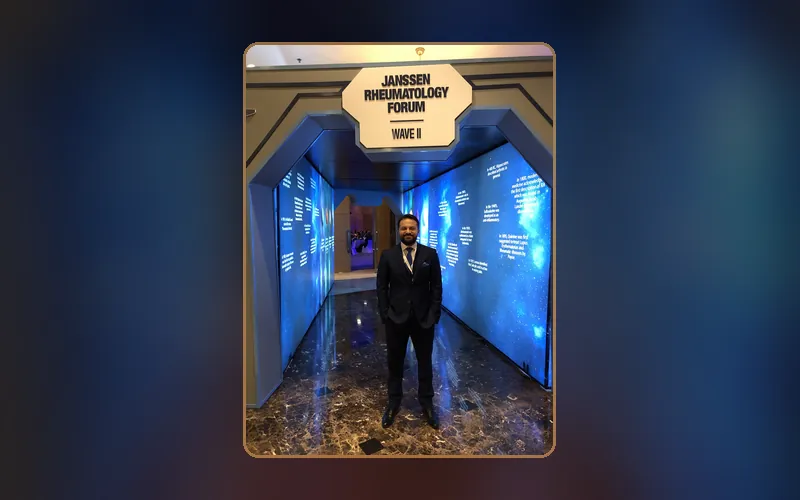
A pharmaceutical market entry strategy here is a sequence: registration, the registered price, public procurement, the local partner, then the medical voice. I do not file the dossier. Your regulatory team or local agent does. I work the commercial decisions beside that filing. I led the first unified Simponi campaign at Janssen, across EMEA emerging markets, and I have worked in healthcare businesses in the Gulf. The gaps below are the ones I look for first.
What global companies get wrong
Six mistakes show up in almost every first plan.
- Registration is a milestone the commercial team hears about when it is finished. The file and the launch are one timeline.
- The price is a number headquarters likes. Here the regulator sets a price, and the public buyer then tenders against it.
- Public hospitals are drawn as separate tenders. Public supply is centralized.
- A distributor is signed and the market is called covered. Regulatory mail, pharmacovigilance and medical content were never in the contract.
- A translated campaign is called localization.
- Digital spend starts before the product is registered and the claims are approved.
The SFDA registration path
Human medicines are filed with the Saudi Food and Drug Authority through the Saudi Drug Registration system, in eCTD. Teams under-build the Saudi module: the application form, product information, Arabic leaflet, labeling, GMP evidence and the pricing section.
A foreign company without a commercial investment license from the Ministry of Investment must appoint a local agent for each product. A scientific office is a separate license: a commercial register, premises, parent-company authorization, and a Saudi pharmacist as director. A distribution contract is a third document. Write down who files, who answers SFDA, and who sells. If the names do not match, fix that before you upload.
The patient leaflet goes in Arabic and English, and defined lines on the outer pack are in Arabic. Hospital-only packs follow a narrower label rule. Use SFDA's labeling guidance, not global artwork. A Certificate of Pharmaceutical Product is optional on a new marketing authorization under the current data requirements, and SFDA can still ask for it. Be ready to show where the product is already authorized.
Review runs validation, then quality, safety and efficacy, an inspection if the line is not already approved, pricing, then a committee. Published targets differ by product and pathway, they count working days, and the clock stops while you answer. Miss the window and the file can be rejected. I do not publish one number of months. Read the current Regulatory Framework for Drug Approvals and add the time to build a complete file. The authorization renews on a five-year cycle, and the request can go in during the six months before expiry. Diary it the week the certificate arrives.
Pricing, then the NUPCO tender
SFDA prices the product from therapeutic value, local alternatives, pharmacoeconomic evidence, and prices in the country of origin and reference markets. You propose a number. The committee does not have to accept it.
Confirm the current figures before you lock a model. The Arabic text of the rules is the authentic one. When the first generic is registered, the innovator price falls 25% across strengths and packs. The first generic is capped at 70% of the innovator price before that cut. Biologics and biosimilars have their own step-down, and a later repricing cut does not exceed 30%. A US net price, or a European list minus a quiet discount, breaks once these rules land. Build the Saudi case before you promise a margin.
The registered price is not public-sector revenue. NUPCO, owned by the Public Investment Fund, buys, stores and distributes medicines and devices for public hospitals and medical centers, and runs the unified tenders. Qualify on its platform before you can buy the documents and bid. A product in a unified tender is expected to be SFDA-registered.
Count three paths. The SFDA price is the ceiling. A NUPCO award is public volume. Private hospitals, retail pharmacy and insured patients are other buyers. A plan called "Saudi Arabia" that means only one of these misses the volume or the margin.
Choosing the local partner
Pick the partner for the work, and put the work in the contract.
- Who holds the agency, and will SFDA recognize it?
- Who is the Saudi pharmacist at the scientific office, and who owns pharmacovigilance?
- Who is the qualified NUPCO supplier, and who writes the bid?
- Who covers private accounts, and what happens to each duty if you change partner?
A strong pharmacy distributor can be the wrong person to answer SFDA on a stopped clock. A regulatory agent is not automatically a sales organization. More than one party is normal. A one-page distribution contract that implies the rest is not.
Visit them. Ask who reads an SFDA letter, in which language, and how fast. Ask for the pharmacovigilance procedure and the name on it. Ask when they last submitted a NUPCO offer. Two references you check yourself beat a capability deck.
Localization is an operating requirement
The leaflet and defined pack lines are Arabic because the file requires them. The objection handler, the congress piece and the portal need Arabic a local clinician would say. A translation of the global claim is a first draft.
Localization also means manufacturing. Under Vision 2030, the Local Content and Government Procurement Authority publishes products targeted for local production. SFDA has said products tied to localization or to strategic lists may get a prioritized registration path. Study that if you can make or transfer technology in the Kingdom. Do not claim it if you cannot.
Medical affairs and key opinion leaders
SFDA's promotion code binds companies and professionals. No marketing before registration. Materials stay inside the registered claims. A piece for practitioners carries the brand, the generic name, the marketer or agent, a reference, and core safety information, or a route to the approved summary of product characteristics. The same rules apply online. Payment to prescribe is not allowed. Samples are labeled and tracked, and controlled medicines are not sampled.
Run medical as its own stream: a small advisory group with a real question, contracted as consultancy; more than one speaker; a line that answers a pharmacist in Arabic. If the brief is only "support the message", the serious people decline.
Digital, after you are allowed to speak
You do not advertise a prescription product to the public. Disease awareness that names no product is a separate activity, and it still has rules. Professional digital starts after registration, on approved claims: an approved piece after a call, a portal in Arabic and English, webinars with local faculty, congress material cleared before it is packed, and WhatsApp only with consent. Omnichannel means one record of that professional, not five calendars. The model is in pharma digital marketing strategy.
The Personal Data Protection Law treats health data as sensitive, requires a basis and consent for marketing, and restricts transfers out of the Kingdom. Gulf and US rules are compared in healthcare marketing compliance. AI may assemble approved modules and draft a first Arabic pass. A reviewer still signs, and the reference has to be real. A model does not invent a claim, a citation or a patient story.
A 12-month entry checklist
This is the first year of commercial work, not a promise the authorization lands in month 12. When the file slips, the list slips.
Months 1 to 3. Choose the pack and the path, public, private or both. Name the holder, the agent and whether you will license a scientific office. Gap the dossier, including the Arabic leaflet and pricing. Stop consumer-style activity.
Months 4 to 6. File a complete dossier. Name owners for regulatory mail, pharmacovigilance, medical content and the tender. Start NUPCO registration if public volume is in the case. Brief medical affairs in Arabic.
Months 7 to 9. Answer SFDA inside the window. Price from the published rules, and build a separate tender case. Draft modules in both languages and hold them. No product campaign before registration.
Months 10 to 12. If you hold the authorization, train only on the approved story and enter the tender or the private accounts you chose. Read status, price versus model, the bid, and accounts reached with approved content. If you do not, do not spend the launch money. Diary the five-year renewal when the certificate arrives.
Once you may promote, use the pharmaceutical product launch checklist. Devices are a different buyer and file: see medtech go-to-market strategy. If nobody can hold the plan while regulatory runs, a fractional CMO can hold it and hand it over.
Questions about pharma market entry in Saudi Arabia
How long does SFDA pharma registration take?
Targets differ by product and pathway, count working days, and stop while you answer. Add the time to build a complete dossier. There is no single number of months that fits every file.
Do I need a local distributor for Saudi pharmaceutical market entry?
You need the roles. Without a Ministry of Investment commercial license, a foreign company appoints a local agent. A scientific office, led by a Saudi pharmacist, is the base for scientific work. A distributor sells. One firm holds more than one role only if the licenses and the contract say so.
Is the SFDA price what the company gets paid?
No. SFDA sets the registered price. A NUPCO tender is a second price for public supply, and the product is expected to be registered first. Private hospitals, pharmacies and insurers are another path. Model all three before you set a transfer price.
Can we advertise a medicine to patients in Saudi Arabia?
Not a prescription product. No marketing before registration, and materials must match approved claims. Promotion goes to healthcare professionals. Disease awareness that names no product is separate and still regulated.
What should be true before we spend on a launch?
The product is registered, the price is the one SFDA set, partner duties are contracted, Arabic materials are approved, and you know whether first volume is a tender, private accounts, or both.