
How to Launch a Pharmaceutical Product: An Evidence-Led Playbook
What successful pharma launches have in common, from biologics at Johnson & Johnson to a new obesity product for LIPTIS Pharmaceuticals USA: evidence first, HCP education, and a launch that keeps going after day one.

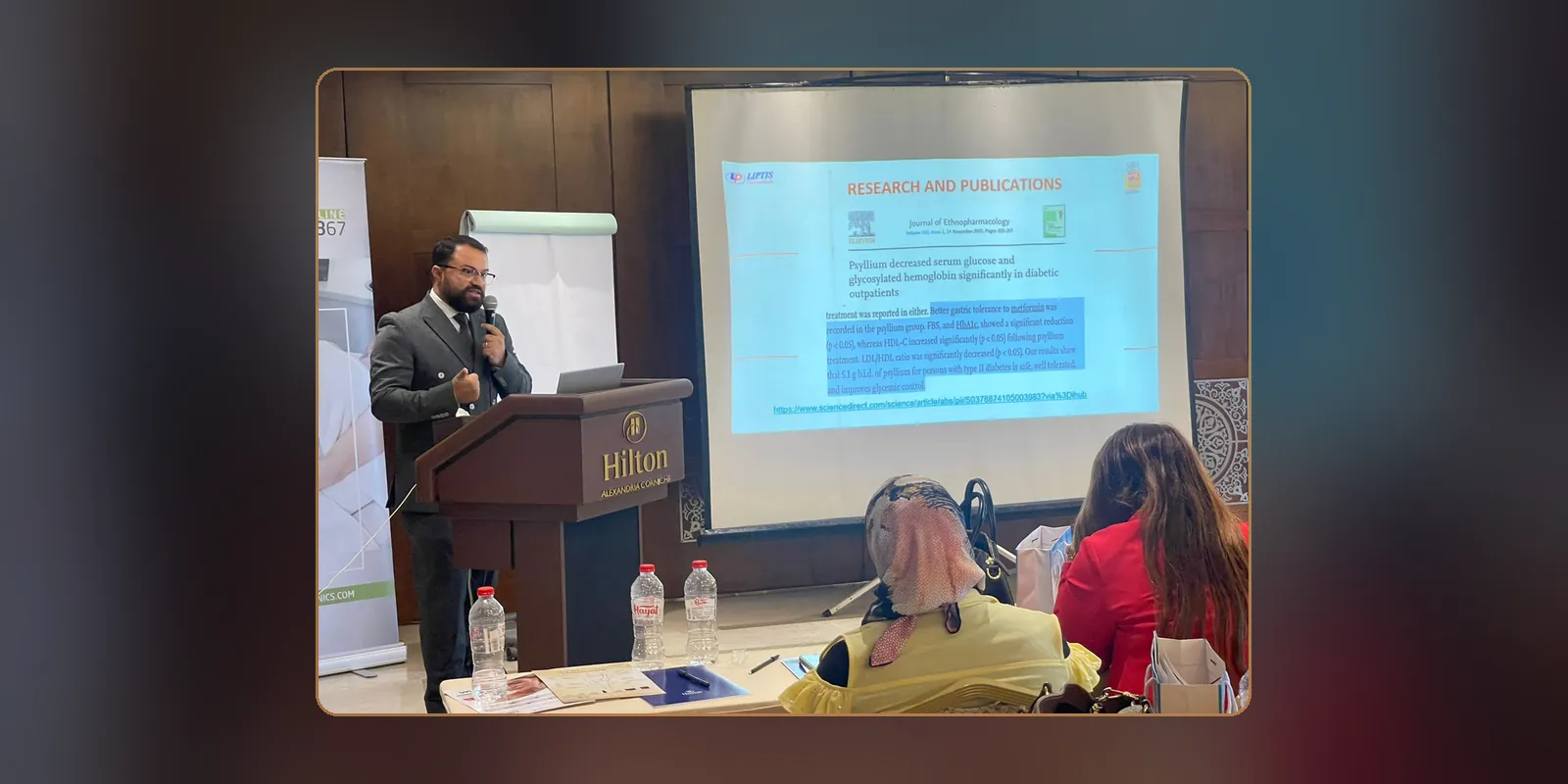
I have worked on launches at Johnson & Johnson, where, as EMEA Emerging Markets Product Manager for biologics and immunology at Janssen, I created the first unified marketing campaign for Simponi and led its launch to marketing managers and directors across EMEA emerging markets. I also led the launch of LIPTIS Pharmaceuticals USA's latest obesity product, including scientific launch meetings in Alexandria. Different companies, different products, different markets. The launches that work still follow the same pattern.
1. Start long before launch day
A launch is won or lost in the year before it. Use that time to understand:
- The patient and the disease: how many people are affected, how they are diagnosed and treated today, and where current treatment falls short
- The decision makers: which specialists, general practitioners, pharmacists or nutritionists influence the choice, and what they need to see
- Access and pricing: who pays, what evidence they require, and how long listing takes
- The competition: what is already prescribed, and why
Good market research at this stage prevents the most expensive launch mistakes, such as targeting the wrong specialty or leading with a benefit nobody values.
2. Lead with evidence
Healthcare professionals trust data, not slogans. Build the launch story on published evidence and make it easy to find, understand and share. At the LIPTIS launch meetings, the presentation included a dedicated research and publications section, because that is what the audience came for.
Three rules keep the evidence credible:
- Every claim is supported by a reference
- Medical and regulatory review approve every material before use
- The story stays within the approved indication and local promotion rules
3. Know each audience
One launch, several audiences, each with its own questions:
- Specialists want efficacy, safety and the evidence behind them
- General practitioners and pharmacists want to know where the product fits in everyday practice
- Patients, within what regulations allow, need disease awareness, education and support to stay on treatment
- Payers and institutions want value and budget impact
In therapy areas like obesity, where lifestyle, stigma and long-term follow-up matter as much as the product, the education and support around the launch are part of the product's success.
4. Treat the launch as a sequence, not an event
- Before launch: advisory boards with respected experts, disease awareness where permitted, field team training and launch materials approved and ready
- Launch: scientific meetings, congress presence, digital channels for healthcare professionals, and a clear first message
- After launch: collect feedback from the field, answer the questions that come up, support adherence, and gather real-world experience
Many launches spend most of the budget in the first month and go quiet just when prescribers start forming habits. Plan for the first year, not the first week.
Medical education carries much of this sequence. I share what makes it work in pharma medical education in the GCC.
5. One strategy, adapted locally
A unified campaign gives every market the same core story, evidence and brand identity, then lets each country adapt the language, channels and examples to local practice and regulation. It keeps the brand consistent, saves duplicated work and makes results comparable across markets. That principle shaped my work on the first unified campaign for Simponi, and it applies to any brand launching in more than one country.
6. Build compliance in from day one
Promotion codes, regulators such as the Saudi Food and Drug Authority and the Egyptian Drug Authority, and company policies set the boundaries for what you can say, to whom and how. Involve medical, regulatory and compliance colleagues while you plan, not just at final approval. It is faster, and it produces better materials.
7. Measure early, adjust fast
Agree before launch what success looks like at 30, 90 and 180 days. Useful leading indicators include reach and engagement among priority healthcare professionals, attendance and follow-up from scientific meetings, the questions the field team hears most, and early uptake where you can measure it. Review them monthly and move effort toward what works.
A launch checklist
- Do we understand the patient journey, the decision makers and access requirements?
- Is every claim supported by evidence and approved for use?
- Does each audience have a clear message and channel?
- Is the plan built for the first year, not the first week?
- Is there one core story that every market can adapt?
- Do we know which numbers we will review at 30, 90 and 180 days?
Planning a launch in Saudi Arabia, the UAE or the wider Gulf? See how I support Middle East pharma market entry and healthcare and pharma marketing leadership.