AI for CMOs: Smarter Marketing Decisions in Real Time
How CMOs can use AI to personalize at scale, decide faster, act in real time and measure what marketing really delivers. The themes of my two panels at Seamless Saudi Arabia, with a 90-day plan.


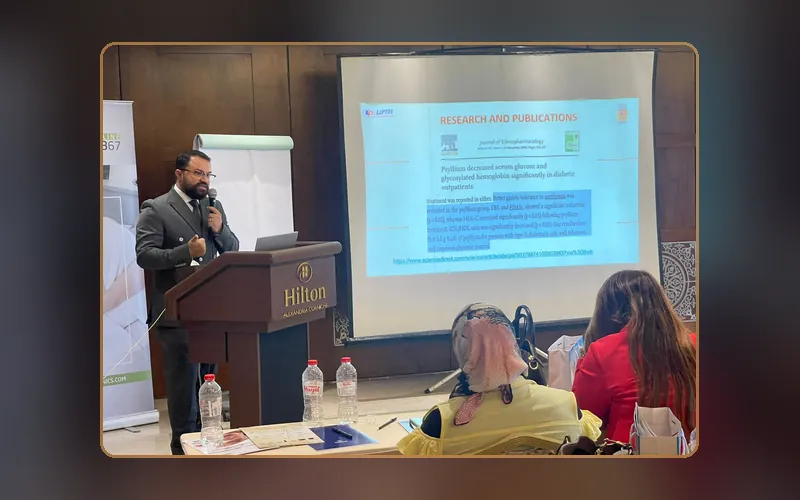
At Seamless Saudi Arabia I joined two panels as a VIP speaker. The first, Paving the way for personalized, improved decision making and real-time actions with AI: empowering CMOs with smarter marketing evaluations, was one of the event's top three sessions. The second, Augmenting marketing processes: adding speed to marketing operations and value to customer journey with out-of-the-box automation and AI, looked at the engine that makes those results possible.
Both topics lead to the same idea: AI is now a management tool for marketing leaders, not only a content tool for their teams. Here is how I help CMOs put it to work.
Where AI helps a CMO most
Most conversations about AI in marketing start with copywriting. For a CMO, the bigger value sits in four areas:
- Personalization at scale: tailoring messages, offers and timing to each segment, and increasingly to each account, without multiplying the team.
- Better decisions: spotting patterns in campaign, sales and customer data that people miss, and forecasting what is likely to happen next.
- Real-time action: responding to a new lead, a drop in engagement or a change in demand within minutes, not at the next weekly meeting.
- Smarter evaluation: knowing which channels, campaigns and messages actually move pipeline and revenue, so budget follows results.
1. Personalize with a purpose
Personalization works when it rests on a clear segmentation and a real reason to be relevant. Start with three to five segments that matter commercially. Define what each one needs to hear at each stage of the buying journey, then let AI help you produce and test the variations. Keep brand, legal and, for healthcare companies, medical review in the loop.
2. Decide on better evidence
AI can summarize performance across channels, flag unusual results and predict which leads or accounts are most likely to convert. The CMO's job is to choose the questions that matter:
- Where is our pipeline coming from, and where is it stalling?
- Which segments and markets are growing fastest?
- Where are we losing customers, and why?
Give your leadership team dashboards that answer those questions in plain language, and review them on a fixed rhythm.
3. Act in real time
Speed is often the cheapest growth lever a company has. Automation can:
- Reply to every new inquiry within minutes, by email, SMS or WhatsApp
- Route high-intent leads to sales immediately, with the context they need
- Trigger follow-up when a prospect returns to your pricing page or goes quiet
- Alert the team when a campaign underperforms, before the budget is spent
4. Evaluate marketing like an investment
Smarter marketing evaluation, the theme of the first panel, comes down to three habits:
- Connect marketing to sales outcomes. A CRM that follows every lead from first touch to closed deal is the foundation.
- Look beyond last click. Combine simple attribution with periodic tests, such as pausing a channel in one region, to see what each campaign really adds.
- Report in business terms. Pipeline, revenue, customer acquisition cost and payback period, not only clicks and impressions.
When marketing reports like this, budget conversations with the CEO and CFO become much easier.
Add speed to marketing operations
The second panel focused on out-of-the-box automation and AI: the capabilities already built into today's CRM and marketing platforms. Used well, they remove much of the manual work in a marketing team:
- Lead capture, enrichment, scoring and routing
- Campaign setup, scheduling and reporting
- Content variations for testing, with human review
- Customer journey triggers for onboarding, renewals and re-engagement
Start with the platforms you already pay for. Many teams use a small fraction of the automation they own.
Keep people, and trust, in charge
- Privacy: collect data with consent and follow the rules that apply to you, such as Saudi Arabia's Personal Data Protection Law.
- Review: people approve what reaches customers. In healthcare, medical and compliance review stays in the loop.
- Brand voice: AI drafts, your team decides.
- Ownership: every automated workflow has a named owner.
A 90-day plan for CMOs
- Weeks 1 to 3: audit your funnel, data and tools. Find the slowest steps and the biggest leaks.
- Weeks 4 to 8: fix speed to lead, set up lead scoring and launch one personalized nurture journey.
- Weeks 9 to 12: build a leadership dashboard that links campaigns to pipeline, and agree the next three automations.
By the end of the quarter you will know where AI pays off in your marketing, and you will have the numbers to prove it.
Want help putting this in place? See how I build AI marketing and automation systems, or how I lead growth as a fractional CMO.